Explore Our Compound Library
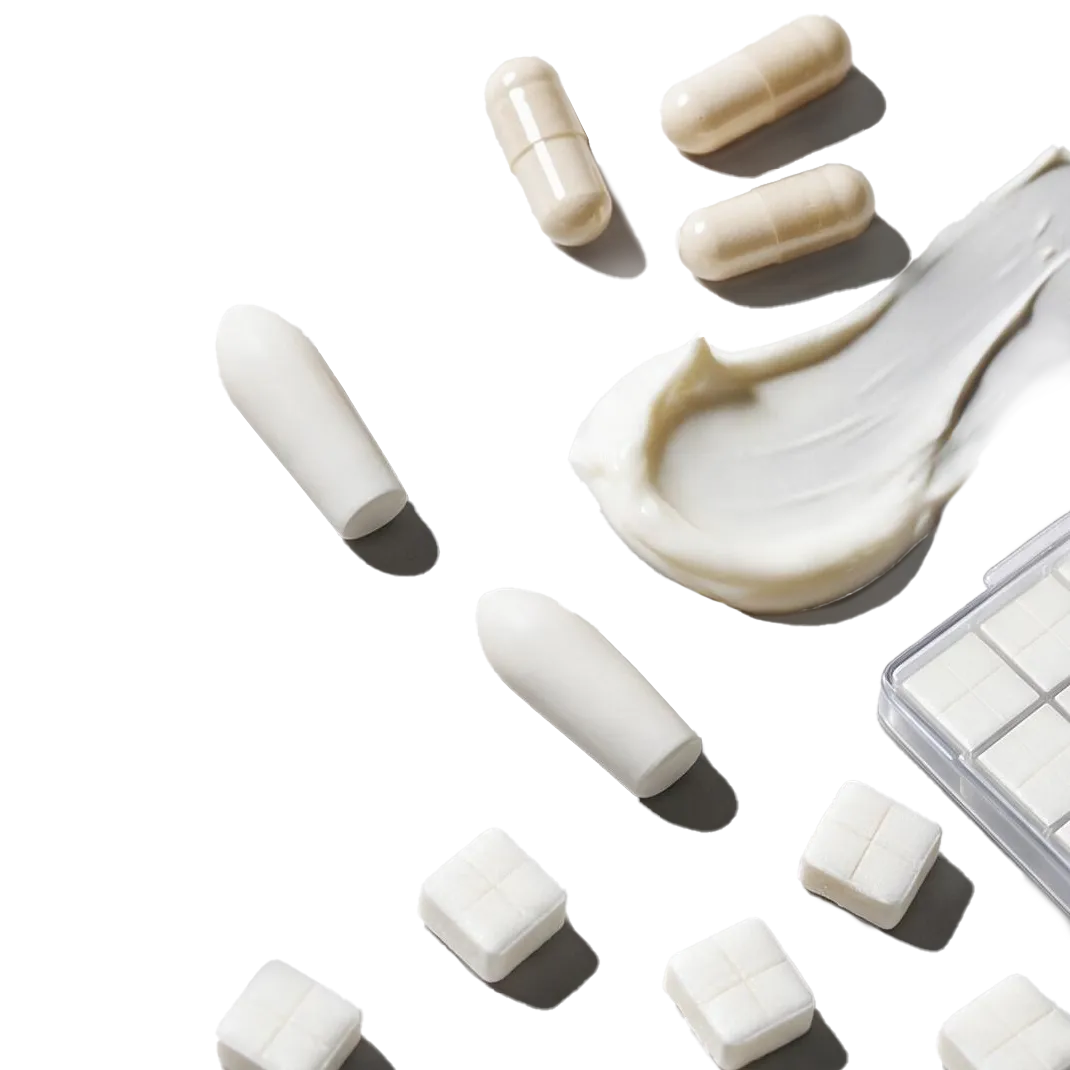
Our Compound Library provides an overview of ingredients and dosage forms commonly utilized in compounded medications across a range of therapeutic areas. The information presented is intended to illustrate the types of compounding solutions that may be available when commercially manufactured products do not meet an individual patient's needs.

Pain Management Compounds

Bioidentical Hormone Replacement Therapy Compounds

Dermatology Compounds

Gastrointestinal Compounds

Sterile Compounds

Veterinary Compounds
The examples provided are representative of our compounding capabilities and are not a comprehensive list of available preparations. Our pharmacists are available to discuss potential compounding options and collaborate on individualized treatment plans.
Connect With Our Compounding Team
This form is intended for healthcare providers only. A valid NPI may be required to process provider inquiries. Most inquiries receive a response within 1 business day.

Are compounded medications FDA-approved?
Compounded preparations are prepared by licensed pharmacists to fulfill individual patient prescriptions. They are not FDA-approved products and have not been evaluated by the FDA for safety or efficacy for any specific indication. Clinical decisions about when a compounded preparation is appropriate are made by the treating clinician.
How do I request a compounded medication that isn't listed?
To request a compounded medication that is not listed on our website, submit a custom preparation request with the desired ingredient(s), strength, and dosage form. Click here to submit a request.
What states are you licensed in?
To see which states Valor is currently licensed in, visit our States We Serve page.
Do you compound GLP-1 medications like semaglutide or tirzepatide?
No. Valor does not compound semaglutide, tirzepatide, or any other GLP-1 receptor agonists. Semaglutide and tirzepatide are commercially available FDA-approved medications, and federal law does not permit 503A compounding pharmacies to compound these preparations.
Do you compound peptide therapies?
Peptide therapies are not currently available through Valor Compounding Pharmacy because federal regulations limit the substances that 503A compounding pharmacies may use. We actively monitor FDA guidance and ongoing regulatory discussions regarding peptide compounding and will continue to assess any future changes that may affect availability.
Do you compound nutraceuticals or dietary supplements?
We do not compound nutraceuticals or dietary supplements because these products are regulated as dietary supplements rather than prescriptions drugs. The ingredients used in dietary supplements do not meet the pharmaceutical standards required for compounded prescriptions, and California pharmacy regulations do not permit their compounding into prescription preparations.