
Top 10 Daily Lifestyle Habits That Support Gut Health and Weight
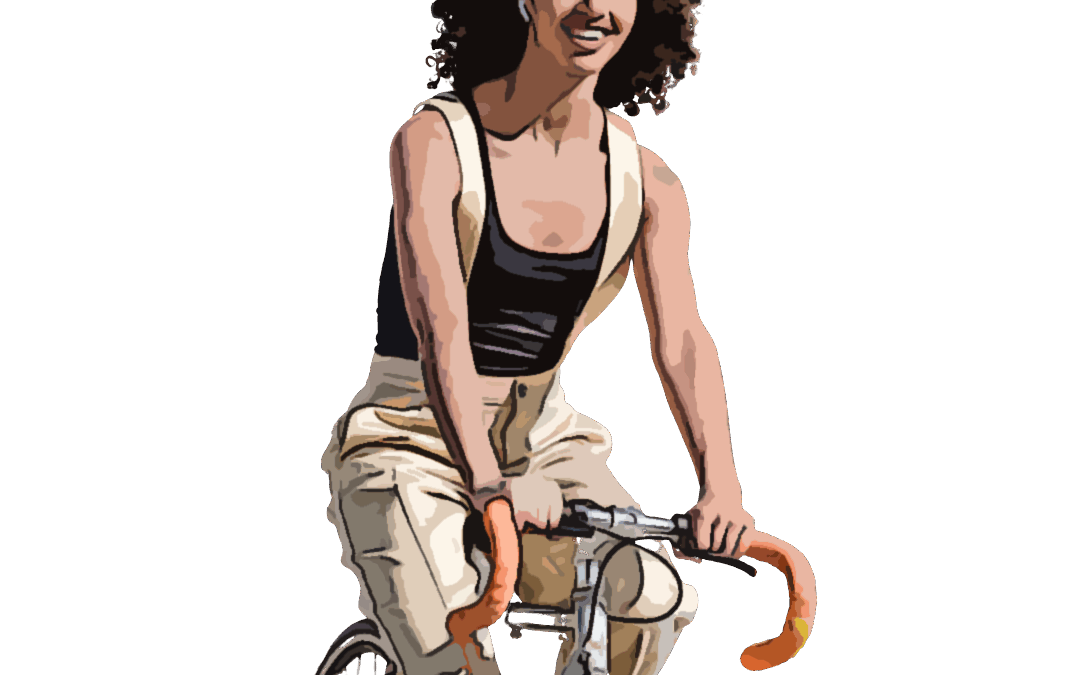
Top 10 Daily Lifestyle Habits That Support Gut Health and Weight
A healthy gut can influence digestion, mood, and even weight management. Incorporating gut-supportive habits into your daily routine may help promote overall wellness and support healthy weight maintenance.
Small, consistent lifestyle changes can make a meaningful difference over time.
Why Does Gut Health Matter?
The gut microbiome is a complex community of microorganisms that supports digestion, immune function, and metabolic processes. Maintaining a balanced microbiome plays an important role in overall well-being.
An imbalanced gut may affect how food is digested and how energy is stored. Supporting gut health can be part of a broader approach to metabolic balance.
Three commonly discussed benefits of a healthy gut include:
- Enhanced digestion and nutrient absorption
- Support for immune system function
- Metabolic efficiency related to weight regulation
1. Eat a Diverse Range of Gut-Friendly Foods
Consuming a variety of plant-based foods helps support microbial diversity.
Examples include:
- Fresh fruits and vegetables rich in fiber
- Whole grains such as oats and quinoa
- Legumes, nuts, and seeds
Dietary variety supports gut health and contributes to overall nutritional balance.
2. Prioritize Fiber-Rich Foods Every Day
Dietary fiber supports digestion and may help regulate appetite.
Ways to increase fiber intake include:
- Choosing whole-grain cereals or breads
- Adding beans or lentils to meals
- Snacking on fiber-rich fruits such as apples or berries
3. Include Fermented Foods for Probiotics
Fermented foods contain naturally occurring probiotics that support gut microbial balance.
Common fermented foods include:
- Yogurt
- Kimchi or sauerkraut
- Kefir
Regular consumption of fermented foods may support digestion and immune function.
4. Stay Hydrated for Optimal Digestion
Adequate hydration supports digestive processes and helps move food through the gastrointestinal tract.
General guidance often suggests aiming for approximately eight glasses of water daily, adjusting based on individual needs, activity level, and environment.
5. Move Your Body Regularly
Regular physical activity has been associated with positive changes in gut microbial composition. Many guidelines recommend at least 30 minutes of moderate movement on most days.
6. Manage Stress with Mindful Practices
Chronic stress can affect digestion and gut balance. Stress-management strategies may support overall gut health.
Examples include:
- Meditation
- Deep-breathing exercises
- Spending time outdoors
7. Get Consistent, Restful Sleep
Sleep supports the body’s natural repair processes, including those affecting the gut lining. Many adults aim for 7–9 hours of quality sleep per night.
8. Limit Processed Foods and Added Sugars
Highly processed foods and excess added sugars may negatively affect gut microbial balance.
Supportive alternatives include:
- Choosing fresh fruit instead of sugary snacks
- Selecting whole grains over refined carbohydrates
- Reading labels to identify added sugars
- Preparing meals at home when possible
9. Practice Mindful Eating Habits
Mindful eating focuses attention on the eating experience and may support digestion.
Helpful practices include:
- Chewing food thoroughly
- Eating slowly to recognize fullness cues
- Paying attention to taste, texture, and aroma
10. Personalize Your Approach and Track Progress
Individual responses to foods and habits vary. Tracking meals, symptoms, or lifestyle changes can help identify patterns and guide adjustments.
Putting It All Together: Sustainable Gut Health Tips
Supporting gut health is a long-term process built on consistent habits.
Key strategies include:
- Eating a variety of whole foods
- Prioritizing fiber and fermented foods
- Staying hydrated and physically active
- Managing stress and sleep routines
Gradual, sustainable changes are often easier to maintain and may support long-term wellness.
Frequently Asked Questions
Do I need a probiotic supplement?
Some individuals meet probiotic needs through foods alone. Supplements may be appropriate in certain situations, but strain and dosage vary. Discuss options with a healthcare provider.
What’s the right amount of water to drink?
Hydration needs are individualized. Many people aim for about eight glasses per day, adjusting based on activity level, climate, and health conditions.
Can exercise alone fix gut issues?
Exercise supports gut and metabolic health, but it is most effective when combined with nutrition, sleep, and stress-management strategies.
References
- National Institutes of Health (NIH) – Good hydration linked to healthy aging
- Centers for Disease Control and Prevention (CDC) – About Water and Healthier Drinks
- PubMed – Role of gut microbiota in dietary fiber metabolism
- Nature Reviews Microbiology – Gut microbiome and dietary fibers
- Mayo Clinic – Fermented foods and digestion
- Frontiers in Physiology – Exercise and gut microbial diversity
- Frontiers in Neuroscience – Gut microbes and sleep
- The Conversation – Sleep and gut health
- Springer – Melatonin-microbiome axis
- Mayo Clinic Health System – Prebiotics and probiotics
- ClinicalTrials.gov – Gut microbiota and weight outcomes
- WebMD – Tips for smooth digestion
Questions? We're here to help.
Our Customer Care Specialists and Pharmacists are standing by to guide you. Give us a call or send an email by clicking the buttons below.