Pain Management Compounding
Compounded pain medications offer an individualized approach to managing acute and chronic pain. Formulations may incorporate one or more active pharmaceutical ingredients (API) and can be customized based on the patient’s clinical needs. Adjustments to strength, dosage form, and base are determined by the characteristics of the API(s) and the intended route of administration.

Common Ingredients
Local Anesthetic Agents
Neuromodulating Agents
Local Anesthetic Agents
Local Anesthetic Agents
*These ingredients represent only a portion of our compounding capabilities. Our clinical pharmacists are available to collaborate on customized treatment plans.
Dosage Forms
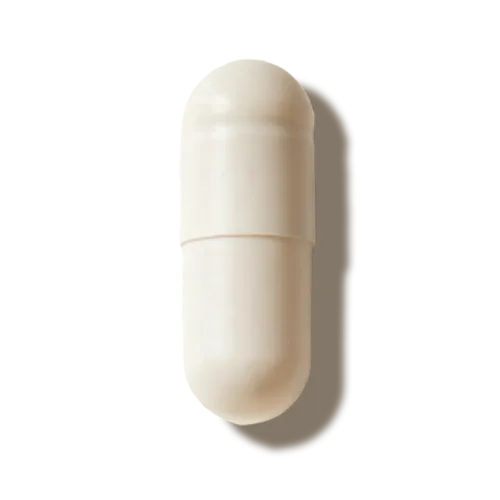
Compounded pain medications can be prepared in a variety of dosage forms to support individualized treatment needs. The appropriate dosage form is selected based on the medication, intended site of action, patient-specific considerations, and prescriber preference. Available options include:

Topical
Ointments, creams, PLO, Lotion

Oral
Capsules, suspensions

Oromucosal
Troches, sublingual tablets, lollipops

Suppositories
Rectal and vaginal
Common Bases for Topical Compounds
Anhydrous Bases
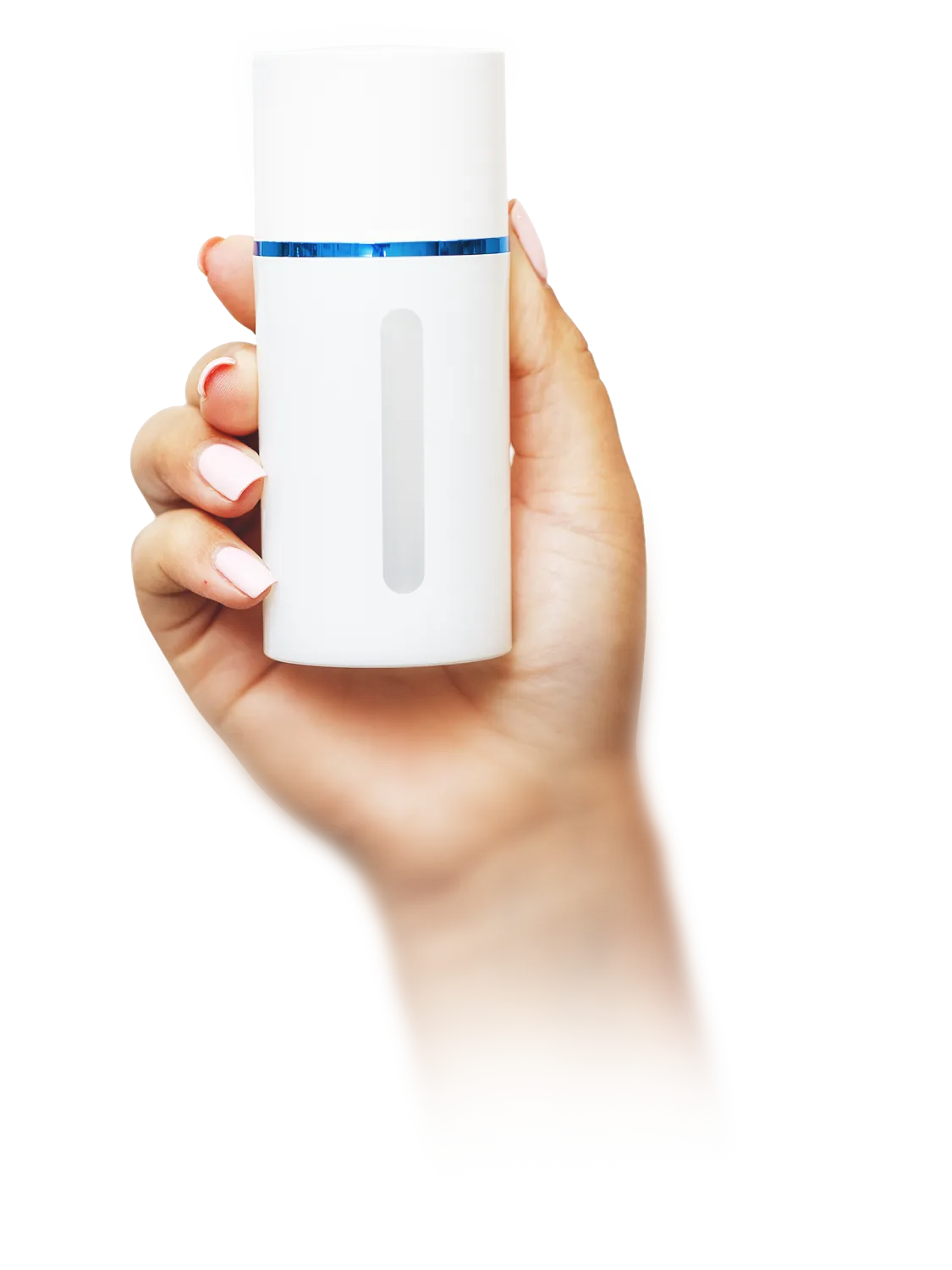
Water-free vehicles that support formulation flexibility and may allow longer beyond-use dating.
Cream Base
Fast-absorbing, non-greasy vehicles designed for patient-friendly topical applications.
PLO Gel
Permeation-enhancing phospholipid vehicles with proven topical delivery characteristics.
Why Is Base Selection Important?
The base of a compounded preparation can influence:
- Ease of application
- Absorption and penetration characteristics
- Stability and compatibility of ingredients
- Patient comfort and adherence
Connect With Our Compounding Team
This form is intended for healthcare providers only. A valid NPI may be required to process provider inquiries. Most inquiries receive a response within 1 business day.

Can multiple active ingredients be combined into one formulation?
Yes. When appropriate and supported by the prescriber’s order, multiple ingredients may be compounded into a single preparation to simplify therapy and address multiple treatment objectives.
Can your pharmacists assist with formulation questions?
Yes. Our pharmacists are available to collaborate with prescribers regarding dosage forms, formulation considerations, ingredient compatibility, and available compounding options. Contact us.
How do I submit a prescription?
Prescriptions may be submitted through E-prescribe, phone-call, hard copy or fax.
How quickly are compounded prescriptions prepared?
Standard turnaround time is 1-2 business days from payment receipt. Turnaround time depends on the formula development (if needed) and ingredient availability. Please allow 2 additional business days for shipping.
Can compounded prescriptions be shipped directly to the patient?
Yes. Shipping availability depends on the pharmacy’s licensure and the patient’s location. Valor is licensed in these states.
What if I don’t see the information or formulation I’m looking for?
Our website highlights commonly requested compounded options, but it does not represent every formulation or customization available. If you do not see the information you need, contact our pharmacy team to discuss patient-specific options, dosage forms, strengths, or formulation questions.
Personalized Formulations Built on Trust
Licensed in 18 States
Multi-state licensed 503A facility housing both sterile and non-sterile laboratories.
PCAB Accredited
Belongs to the rare ~9% of U.S. compounding pharmacies holding voluntary PCAB accreditation.
11 Experienced Pharmacists
Actively educated in modern compounding literature and clinical best practices.
2-Day Turnaround
Fast preparation with most compound orders completed within two business days.